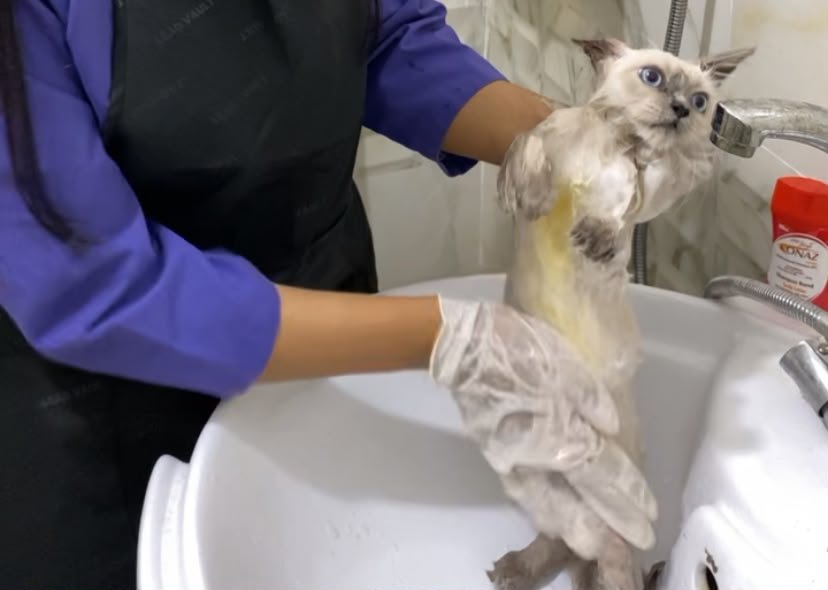
When you picture pet grooming, you might think of fancy show dogs with perfect haircuts, painted nails, or bows in their hair. But real grooming is not a luxury or a beauty pageant—it is a cornerstone of basic healthcare.
Grooming is about keeping your dog or cat comfortable, clean, and pain-free. Regular brushing, ear cleanings, and nail trims do not just keep your house free of loose fur; they prevent agonizing matting, skin infections, and structural joint damage.
Whether you choose to do it at home or visit a professional salon, maintaining a consistent grooming schedule is a must.
The Essential Pillars of Pet Grooming
A complete grooming routine is much more than a quick scrub in the tub. To keep your pet in peak physical shape, you need to address several key areas of their body:
- Coat Brushing: Regular brushing removes dead hair, spreads natural skin oils, and prevents painful mats (clumped tangles). Mats pull tightly against a pet's skin, which can cause sores, cut off circulation, and trap moisture to create bacterial infections.
- Nail Trimming: If you can hear your dog's nails clicking on the hardwood floor, they are too long. Long nails alter how a pet stands and walks, putting unnatural pressure on their toe joints that can lead to arthritis.
- Ear Cleaning: Check your pet's ears weekly. They should be pale pink, odor-free, and free of dark wax. Floppy-eared dogs (like Spaniels or Retrievers) are especially prone to moisture buildup and painful ear infections.
- Dental Care: Dental disease affects the vast majority of pets by age three. Brushing your dog or cat's teeth with pet-safe toothpaste a few times a week keeps plaque away and protects their vital organs from circulating bacteria.
The Master Grooming Guide: Who Needs What?
Every pet's coat is unique, meaning their grooming needs vary wildly depending on their breed and hair type.
- Short Coat (Pugs, Labradors, Boxers, shorthair cats): Brush 1-2 times a week; bathe every 4-8 weeks.
- Double Coat (Golden Retrievers, Huskies, German Shepherds): Daily brushing during shedding season; never shave them! Their double coat actually insulates them from the heat and protects them from sunburn. Shaving can permanently ruin the texture of their fur.
- Curly/Non-Shedding (Poodles, Doodles, Bichons): Daily brushing; professional haircut every 4-6 weeks.
- Long Coat (Yorkies, Shih Tzus, Persian cats): Daily combing; sanitary trim (around the rear) every few weeks.
Step-by-Step: How to Trim Your Pet's Nails at Home
Nail trimming is often the most stressful part of grooming for both pets and owners. The key is to go slowly, keep the atmosphere calm, and understand the anatomy of the nail.
- Step 1: Get Your Supplies Ready: Use scissor-style clippers for small dogs and cats, and heavy-duty plier-style clippers for larger dogs. Keep a bottle of styptic powder (or cornstarch) nearby. If you accidentally cut the nail too short, this powder will stop the bleeding instantly.
- Step 2: Identify the 'Quick': The quick is the pink blood vessel running down the center of the nail. On white nails, it is easy to see. On black nails, look at the underside of the nail and clip only the thin, curved tip. Go in tiny, paper-thin increments.
- Step 3: Snip at a 45-Degree Angle: Hold your pet's paw firmly but gently. Snip the nail at a slight angle, following its natural curve. If your pet gets nervous, do just one paw per day and reward them heavily with high-value treats after each clip.
3 Professional Groomer Secrets
Want to make grooming a breeze? Keep these three insider tips in mind:
- Never Bathe a Matted Pet: Water acts like a sponge for mats, shrinking the tangled hair fibers and locking them tightly against the skin. Always thoroughly brush out all tangles and mats before your pet touches water.
- Teach "Paw Handling" Early: Play with your puppy or kitten's paws, ears, and mouth daily when they are relaxed. Getting them used to having these sensitive areas touched makes nail trims, ear cleanings, and vet exams infinitely easier as they grow.
- Say No to Shaving Double Coats: It might be tempting to shave a thick-coated dog (like a Husky or a Pomeranian) in the summer to "cool them down," but their double coat actually insulates them from the heat and protects them from sunburn. Shaving can permanently ruin the texture of their fur.
Regular grooming sessions are also the perfect time to give your pet a hands-on physical exam, allowing you to catch new lumps, ticks, or sore spots early. Grab a brush, grab some treats, and make grooming a fun bonding experience!