Lab Work
Because our pets cannot tell us where it hurts, lab tests act as their translator. They allow us to peek "under the hood" to catch diseases long before outward symptoms ever appear.
Because our pets cannot tell us where it hurts, lab tests act as their translator. They allow us to peek "under the hood" to catch diseases long before outward symptoms ever appear.
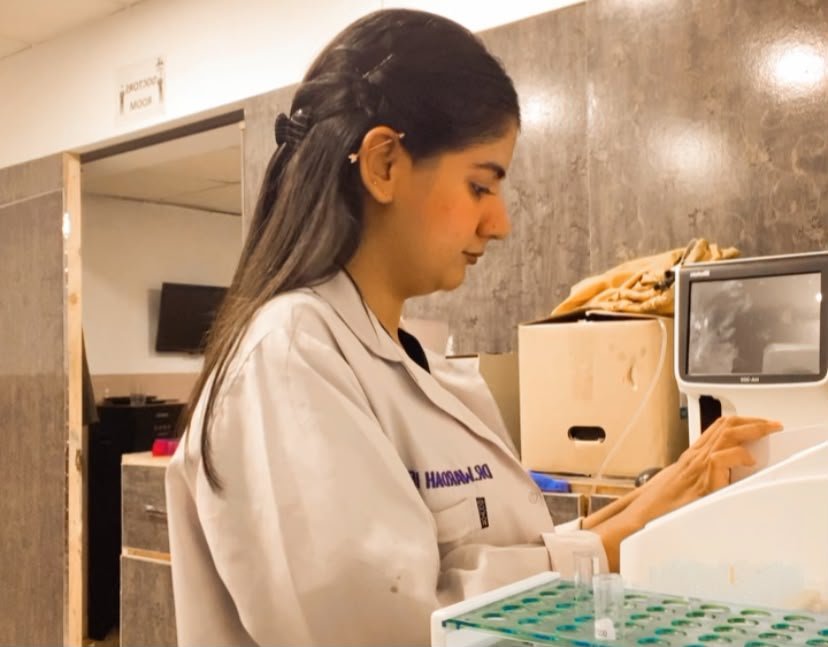
Have you ever taken your pet to the vet for a routine checkup or because they were acting a little "off," only to have the doctor recommend a panel of laboratory tests?
When a veterinary technician walks to the back with a syringe of blood or a small sample vial, it is easy to feel a bit disconnected from the process. You might wonder: What are they actually looking for? Is this really necessary, or is it just an extra charge?
Because our pets cannot tell us where it hurts, lab tests act as their translator. They allow us to peek "under the hood" to catch diseases long before outward symptoms ever appear. Let's lift the curtain on veterinary diagnostics and break down the most common lab tests, what they measure, and why they are vital to your pet's health.
Pets are masters at hiding pain and illness. It is a survival instinct passed down from their wild ancestors—showing weakness makes you a target. By the time a cat or dog is visibly showing signs of kidney disease, liver issues, or diabetes, the condition is often already quite advanced.
Running routine lab tests allows your vet to establish a baseline. Knowing what is "normal" for your specific dog or cat when they are healthy makes it much easier to spot subtle, dangerous changes down the line.
When your vet recommends a standard diagnostic screen, it typically consists of one or more of these four core tests:
The CBC looks closely at the cells physically floating in your pet's bloodstream. It is the ultimate test for checking overall immune status and oxygen-carrying capacity.
If the CBC looks at the cells, the Chemistry Profile looks at the liquid portion (serum) of the blood. It contains chemical compounds, enzymes, and hormones that tell us how well your pet's internal organs are functioning.
Often run alongside blood chemistry, a urine test is a crucial, non-invasive window into both the urinary tract and metabolic health. It checks for:
No one likes bringing in that little plastic cup, but fecal tests are indispensable. Under a microscope, technicians look for microscopic parasite eggs. This test identifies intestinal freeloaders like roundworms, hookworms, whipworms, Giardia, and Coccidia that can rob your pet of nutrients and cause chronic diarrhea.
Not every vet visit requires diagnostic tests, but there are four key scenarios where they are absolutely essential:
To ensure your pet's lab results are as accurate as possible, keep these quick tips in mind:
The next time your veterinarian suggests running a lab panel, you can rest easy knowing those little vials are the most powerful tool we have to advocate for your pet's health—giving a clear voice to a patient who cannot speak for themselves.