Spaying & Neutering
One of the most significant medical decisions you will make as a pet parent. Behind the scary medical terms is one of the most routine, highly safe, and deeply beneficial procedures in modern veterinary medicine.
One of the most significant medical decisions you will make as a pet parent. Behind the scary medical terms is one of the most routine, highly safe, and deeply beneficial procedures in modern veterinary medicine.
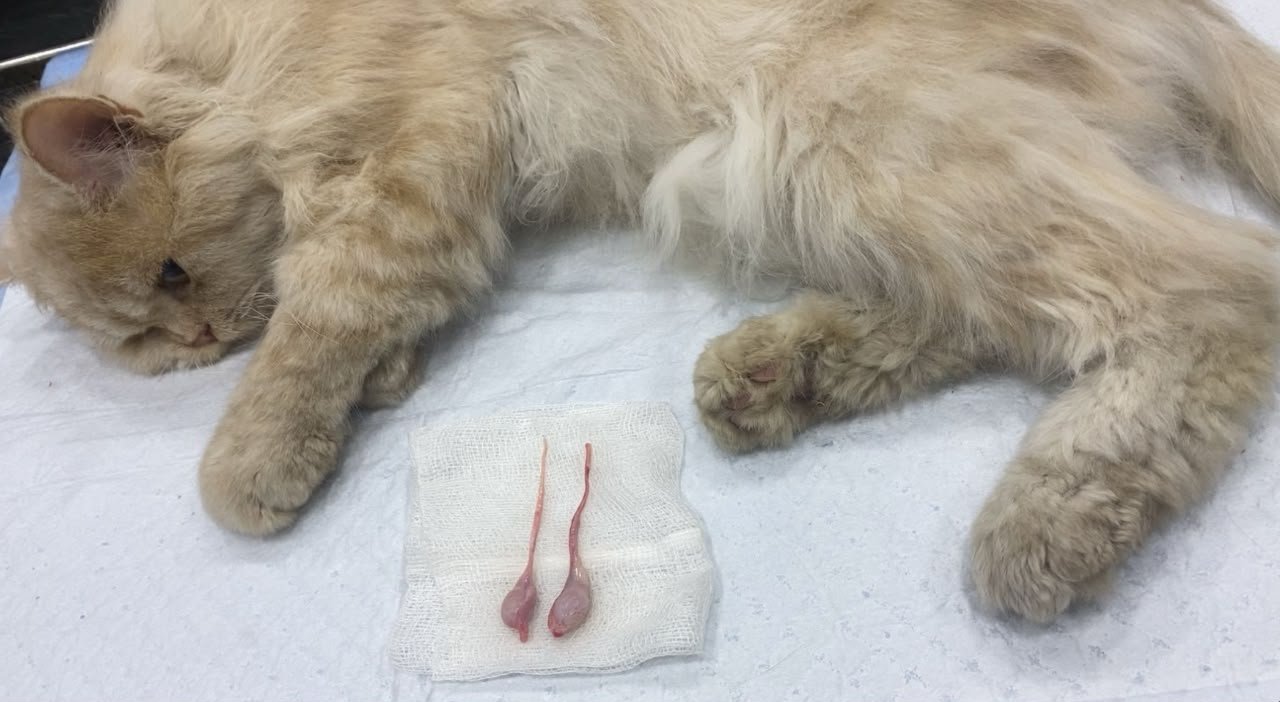
Deciding when—and if—to spay or neuter your pet is one of the most significant medical decisions you will make as a pet parent. It is completely normal to feel a little nervous about scheduling a surgical procedure for your beloved companion.
However, behind the scary medical terms is one of the most routine, highly safe, and deeply beneficial procedures in modern veterinary medicine. Far beyond just preventing unexpected litters, spaying and neutering can actually help your pet live a longer, healthier, and much calmer life.
Let's separate the myths from the facts and break down what this procedure means for your furry friend.
While we often use the word "fixing" to cover both, the procedures are anatomically quite different depending on your pet's biological sex:
Both procedures are performed under full, highly monitored general anesthesia, meaning your pet feels absolutely no pain during the surgery itself.
While preventing overpopulated shelters is a wonderful community benefit, the personal health and behavioral advantages for your individual pet are massive.
The best time to spay or neuter depends on your pet's species, breed, and size:
Most pets bounce back incredibly fast, but your job during the recovery window is crucial to ensure their incisions heal cleanly and without infection.
Choosing to spay or neuter is a loving step that sets your pet up for a lifetime of healthy, happy days. Talk to your vet at your next checkup to design the perfect timeline for your specific companion!
Give your pet the gift of a longer, healthier life.